

Have you ever wondered if your beautiful amethyst crystal can be submerged in water? This article answers the burning question: “Can amethyst crystal be submerged in water?” We’ll discuss the safety aspects in depth, dispel common myths, and explain the benefits of submerging amethyst in water.
Learn how long it’s safe to submerge your crystal in water, get essential safety tips, and learn how to properly cleanse and energize your amethyst. Plus, we’ll answer all your frequently asked questions about amethyst and water. Are you ready to learn the whole truth about whether your amethyst crystal can be submerged in water? Keep reading to become an expert!
Can Amethyst Crystal Go in Water?
Yes, amethyst can generally come into contact with water and be cleaned using it. Amethyst is a type of quartz with a Mohs hardness of 7, yet it should still be handled with care. Using lukewarm water and mild soap is suitable for routine cleaning, while exposure to heat, sudden temperature changes, and harsh chemicals should be avoided.
Also Read: Which Crystals Stones Can Go in Water
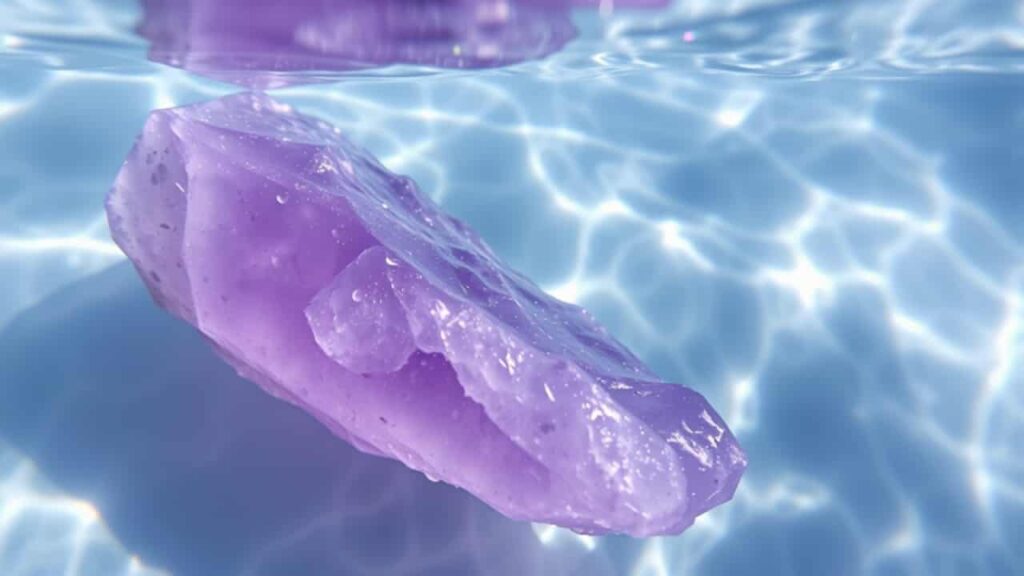
Table of Contents
Is Amethyst Safe in Water?
| Situation | Recommended? | Why |
|---|---|---|
| Quick rinse | Yes | Suitable for normal cleaning |
| Warm soapy water | Yes | GIA recommends it for cleaning |
| Long soaking | Not necessary | Avoid unnecessary prolonged exposure |
| Hot water | No | Heat/temperature changes can damage Amethyst |
| Sudden temperature change | Avoid | Can cause fractures |
| Harsh chemicals | No | Some chemicals can damage Amethyst |
| Salt water | Avoid as a cleaning method | Fresh water is simpler and safer for routine cleaning |
Is Amethyst safe for water?
If you are wondering how water and environmental factors affect your stone, you might want to ask: Is amethyst completely safe when exposed to water, soaking, heat, and chemicals?
Yes, given its Mohs hardness rating of 7, amethyst is generally safe to clean quickly with water; however, care should be taken to avoid prolonged soaking, excessive heat, and harsh chemicals.
Here is how amethyst reacts to various conditions:
- Water: For daily cleaning, a quick, gentle wash with clean, lukewarm water is perfectly safe.
- Cleaning: It is safe to use lukewarm water and a mild dish soap to remove dirt and oils from the stone’s surface, provided you rinse and dry it thoroughly afterward.
- Soaking: Do not soak the stone in water for extended periods or overnight. Although quartz is durable, prolonged submersion can weaken adhesive settings in jewelry or allow moisture to seep in.
- Heat: Amethyst is sensitive to sudden temperature changes (thermal shock) and high temperatures. Never use boiling water or mechanical steamers, and avoid leaving the stone in direct, intense sunlight, as excessive heat can cause the crystal to crack or permanently fade its purple color.
- Chemicals: Keep amethyst away from harsh cleaning chemicals, bleach, and saltwater. These items are abrasive or potentially damaging, and can ruin the polished surface of the stone or damage the metal jewelry mounting.
Also Read: What Crystals Can Not Go in Water
Can You Cleanse Amethyst With Water?
If you are exploring the world of crystals, you might wonder: can water be used to cleanse amethyst crystals, and what is the difference between physical cleaning and spiritual cleansing?
Yes, according to traditional crystal lore, you can use water to spiritually cleanse amethyst—just as you would use it for a standard wash—provided you use safe and gentle methods.
Here is a simple explanation of the difference between traditional spiritual cleansing and physical care:
Physical Cleaning (Removing dirt and dust)
Physical cleaning focuses entirely on the outer surface of the crystal gemstone.
- Purpose: To remove everyday dust, fingerprints, skin oils, or grime from the stone’s polished surface.
- Method: Briefly washing the amethyst under lukewarm tap water with a tiny drop of mild soap, then drying it with a soft cloth.
- Result: The physical stone remains clean, shiny, and free of dirt.
Traditional Spiritual Cleansing (Resetting personal intention)
Spiritual or “energy” cleansing is based on cultural traditions and personal beliefs rather than physical science.
- Purpose: In crystal traditions, it is believed that stones absorb heavy or stagnant emotions over time. Spiritual cleansing is a symbolic ritual performed to “refresh” the crystal’s symbolic state and realign your personal focus.
- Method: Pouring cold, clean natural spring water or tap water over the stone for a few seconds, while holding calm, soothing thoughts or setting a new intention for the day.
- Result: This provides the owner with a symbolic sense of refreshment and prepares them to use the stone with a focused mind.
How to Clean Amethyst With Water: A Step-by-Step Guide
If you want your amethyst to look sparkling and clean, you might be wondering: what are the right ways to safely wash amethyst without causing any damage?
Yes, you can safely clean amethyst by following a few careful and gentle steps. This protects its crystal structure and preserves its natural color.
Here is detailed and easy-to-understand information on each step of cleaning amethyst:
- Prepare lukewarm water
- What to do: Fill a small bowl with lukewarm or comfortably warm water.
- Why it matters: Amethyst has a Mohs hardness rating of 7, making it durable enough for daily wear, but it is sensitive to thermal shock (sudden temperature changes). Always avoid very hot water, boiling water, or very cold water. Sudden temperature changes can cause internal fractures or damage the crystal structure.
- Add a little mild soap
- What to do: If your stone has dust, skin oils, or lotion on it, add just a small drop of mild, pH-neutral dish soap to the warm water and mix gently.
- Why it matters: Harsh household cleaners, bleach, or detergents with strong chemicals can dull the crystal’s shine or damage the metal setting if the amethyst is mounted in a ring or necklace. Mild soap is safe for both the stone and its setting.
- Gently wipe and clean the surface
- What to do: Place your amethyst in the soapy water or dip a soft cloth into the mixture. Gently wipe the stone’s surface clean using your fingers or a soft cloth.
- Why this matters: Do not use stiff brushes, wire scrubbers, or abrasive cleaning pads. Although quartz is quite durable, abrasive materials can scratch its polished surface or damage delicate carvings and wire-wrapped mountings.
- Rinse thoroughly with clean water.
- What to do: Hold your amethyst under lukewarm, running tap water to remove soap suds and loosened dust.
- Why this matters: Residual soap can dry into a hazy film, obscuring the stone’s natural purple transparency and potentially attracting more dust over time.
- Dry completely with a soft cloth.
- What to do: Take your cleaned amethyst and pat it completely dry using a soft, lint-free microfiber towel or a clean cotton cloth.
- Why this matters: Thorough drying prevents water spots from forming as moisture evaporates, keeping the gemstone’s surface shiny and clean.
- Finally, protect it from heat and direct sunlight.
- What to do: Allow your stone to air-dry in a shaded spot at room temperature. Never use electric hair dryers or mechanical steamers to dry amethyst, nor place it directly in intense sunlight.
- Why this matters: Gemological experts (such as the GIA) advise against exposing amethyst to intense heat or steam. Excessive heat and prolonged exposure to strong sunlight can cause the quartz’s purple color to fade or change permanently.
Please note: These mineral care instructions are based on practical gemmology guidelines (such as GIA recommendations) and crystal traditions only. They are not medical treatments or scientific guarantees.
Still curious about cleaning amethyst? click on this link How to Cleanse Amethyst: Easy Methods for Stones, Crystals, and Jewellery
How Long Can Amethyst Crystal Go In Water?
If you are wondering about the appropriate duration for water exposure, you might ask: how long is it safe to leave an amethyst crystal in water?
Amethyst should be kept in water for only a very short time—just a few seconds to a minute for a quick rinse—and should never be left submerged overnight.
Here is a simple and practical guide regarding water exposure for your crystal:
- The Time Rule: Keep water exposure brief. A quick rinse with lukewarm water is sufficient to wash away surface dust and dirt.
- Why prolonged soaking is unsafe: Although amethyst has a Mohs hardness rating of 7, submerging it in water for hours or days can cause moisture to get trapped in tiny natural fissures, weaken adhesive settings in jewellery, or dull its luster.
- Precautions regarding saltwater: If you use water for spiritual rituals, never soak amethyst in saltwater, as salt damages the stone and rapidly degrades metal settings.
- Alternative cleansing methods: In crystal traditions, those who wish to refresh their stone’s symbolic energy often prefer dry methods—such as placing it in moonlight for a few hours or near selenite overnight—to completely avoid the risks associated with prolonged water exposure.
Amethyst And Water: Some Important Questions
Can You Cleanse Amethyst With Water?
If you are considering spiritual maintenance, you might ask: Can water be used to cleanse amethyst crystals?
In crystal traditions, some people use water to cleanse or revitalize their stones on an energetic level.
It is important to distinguish between physical cleaning and energetic cleansing:
- Physical cleaning: Removing dust, oils, and dirt from the stone’s surface using safe and practical methods.
- Energetic cleansing: This is a personal spiritual practice rather than a process with scientifically proven effects.
Maintaining this distinction ensures that the practical care of the gemstone remains separate from traditional beliefs.
Can Amethyst Get Wet?
If you are considering daily use, you might ask: Can amethyst get wet during everyday wear or cleaning?
Yes, generally speaking, contact with water does not harm amethyst.
If your amethyst gets wet, simply dry it thoroughly with a soft cloth. Mildly warm water is fine for routine washing, but to preserve the stone’s luster and integrity, you should avoid excessive heat and sudden temperature fluctuations.
Can Amethyst Go in Salt Water?
If you are considering various liquid cleaning methods, you might wonder: is it safe to soak Amethyst in salt water?
In terms of crystal care and gemmology, you should avoid soaking Amethyst in salt water, although a gentle wash with plain water is safe.
Here is a simple explanation of the difference:
- Cleaning with plain water: As mentioned, it is perfectly safe to give Amethyst a quick wash with lukewarm water and mild soap to remove the dust and dirt that accumulates daily.
- Soaking in salt water: Salt is abrasive; over time, it can damage the crystal’s polish through chemical reactions or harm the metal jewellery setting. There is no need to use salt water for routine cleaning.
Can Chevron Amethyst Go in Water?
If you own a piece of Chevron Amethyst—or are considering getting one—you might wonder: Is it safe to put Chevron Amethyst in water?
Yes, it is safe to gently wash Chevron Amethyst with water for a short time, as it is a natural variety of quartz with a Mohs hardness rating of 7.
Here is a simple, practical guide on handling and caring for it:
What is Chevron Amethyst?
It is a natural blend of purple amethyst and white quartz that grows together in distinct V-shaped bands. Since both minerals are types of quartz, they share similar physical durability.
- Safe contact with water: You can wash Chevron Amethyst with clean, lukewarm water or wipe it with a damp cloth to remove everyday dust and dirt.
- What to avoid: Just like regular amethyst, you should avoid soaking it in water for long periods or overnight, submerging it in saltwater, or using harsh chemical cleaners.
- Preserving the color: Keep your stone away from excessive heat and prolonged, direct, intense sunlight, as high temperatures can cause the purple bands to fade over time.
- Physical cleaning vs. spiritual cleansing: Washing the stone with water removes physical dust and dirt. In crystal traditions, people often use other methods—such as moonlight, sound, or smoke—for spiritual and energetic cleansing without using moisture.
Can Pink Amethyst Go in Water?
If you are concerned about the care of this light-colored quartz, you might be wondering: can Pink Amethyst be safely placed in water?
Yes, Pink Amethyst can come into contact with water for short periods; however, much like traditional purple amethyst, it requires careful handling and should never be left submerged in water for extended periods.
Here is a simple, practical guide to understanding Pink Amethyst and its interaction with water:
- What is Pink Amethyst? Pink Amethyst is a natural variety of quartz (its color often results from the presence of hematite or other minerals) and has a Mohs hardness rating of 7.
- Safe contact with water: To remove everyday dust and dirt, you can wash Pink Amethyst with clean, lukewarm water or wipe it down with a damp cloth.
- What to avoid: Always avoid soaking it in water for long periods or overnight, exposing it to saltwater, or using harsh chemical cleaners. Since natural crystals may contain internal fractures or mineral variations, prolonged exposure to water can weaken the stone or damage any attached metal jewellery.
- Preserving the color: Keep your Pink Amethyst away from excessive heat and intense, direct sunlight, as high temperatures can alter or fade its delicate pink hue over time.
- Traditional beliefs: In crystal lore and spiritual practices, Pink Amethyst is regarded as a gentle stone associated with the heart and emotional tranquillity. When people wish to cleanse its traditional energy without using moisture or water, they often opt for other methods such as moonlight, sound, or smoke.
Can Raw Amethyst Go in Water?
If you own unpolished, natural amethyst, you might be wondering: can raw amethyst be safely placed in water?
Yes, raw amethyst can be quickly rinsed with water, but rough stones require more care than polished ones.
Here is a brief and simple guide to caring for raw amethyst:
- Why caution is necessary: Raw stones have natural fissures and rough crevices where water can easily get trapped. Prolonged soaking can weaken the crystal’s structure or damage any matrix rock attached to it.
- Safe cleaning: Lightly rinse your raw amethyst with lukewarm water or gently wipe it with a damp cloth, then dry it completely right away.
- What to avoid: Never soak raw amethyst in water, and never use saltwater, harsh soaps, or boiling water, as these can damage its delicate, rough edges.
- Traditional spiritual practices: In crystal lore, people often choose “dry” methods—such as moonlight, sound, or selenite—to cleanse or recharge raw amethyst, thereby avoiding potential damage from moisture trapped in its crevices.
Please note: These mineral care instructions are based solely on practical gemology guidelines and traditional crystal handling methods. They do not constitute a scientific remedy or a financial guarantee.

FAQs About Can Amethyst Crystal Go in Water?
Can Amethyst go in water?
Yes. Normal incidental exposure to water or quick, gentle washing is completely safe for amethyst because of its Mohs hardness rating of 7. Avoid long, overnight soaking.
Can Amethyst go in salt water?
No. You should avoid soaking amethyst in salt water. Salt is abrasive and can chemically damage the stone’s polish or ruin metal jewellery settings over time.
Can you clean Amethyst with water?
Yes. You can wash amethyst using lukewarm water and a tiny drop of mild soap. Gently wipe the stone, rinse it thoroughly, and dry it completely with a soft cloth.
Can Amethyst get damaged by heat or sudden temperature changes?
Yes. Amethyst is sensitive to thermal shock and excessive heat. Avoid boiling water, steamers, hair dryers, and direct, blazing sunlight, as extreme heat can crack the crystal or fade its purple color.
Conclusion: Can Amethyst Crystal Go in Water?
Amethyst is a water-friendly crystal that can safely be used in various water-related practices. Whether you’re cleansing your amethyst, making a crystal elixir, or adding it to your bath, water can enhance the crystal’s natural energy and make it even more powerful. Just remember to use fresh water, avoid salt, and don’t soak it for too long. By taking good care of your amethyst, you can enjoy its calming and healing benefits for years to come.
Also Read: Amethyst Crystal Meaning