

Curious about the safety of lapis lazuli? This article will explore all your burning questions about this brilliant blue gemstone. We’ll discuss in-depth what lapis lazuli really is, address the common concern: “Is lapis lazuli poisonous?”, and guide you on how to use it safely. If you want to harness its full energy, explore the Lapis Lazuli Magical Qualities in our detailed guide about its qualities.
Discover the potential benefits of this fascinating stone and learn who may need to take extra precautions. We’ll also answer your most frequently asked questions, leaving no stone unturned when it comes to lapis lazuli safety.
Table of Contents
What Is Lapis Lazuli?
- Lapis lazuli is a very spectacular gemstone. It is deep blue in color and often sparkles like the stars in the night sky.
- It has been treasured for centuries: this beautiful stone has long been used in art, jewellery, and spiritual practices.
Is it safe to use? That’s a great question!
Is Lapis Lazuli Poisonous?
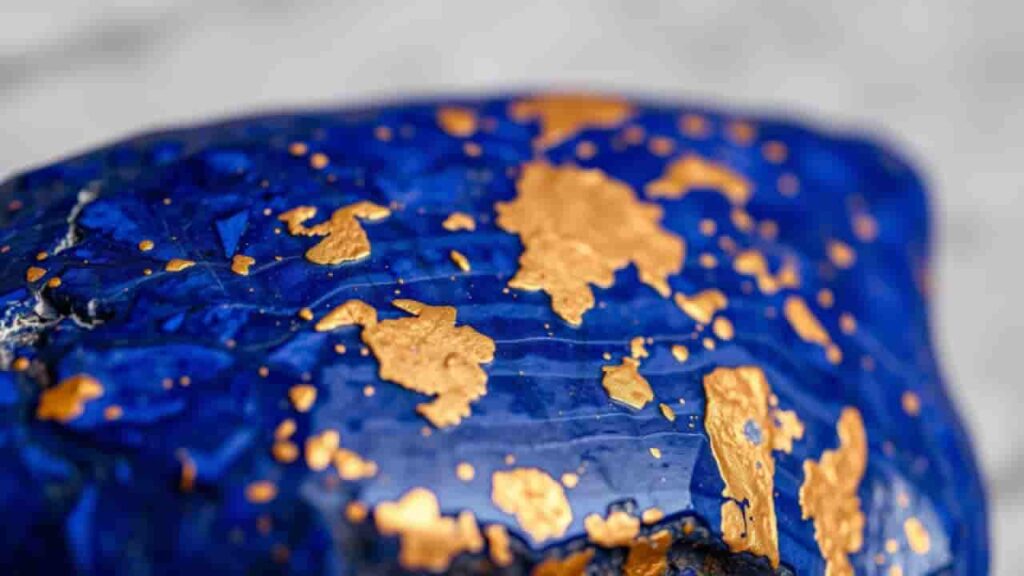
Lapis lazuli is not inherently poisonous but contains trace amounts of pyrite, which can release toxic sulfur compounds if ingested or exposed to acid. It is safe for handling and wearing as jewellery. Avoid consuming or inhaling dust from lapis lazuli to prevent potential health risks.
Further discussion in detail given below:-
Generally Safe: Lapis lazuli itself is not harmful. You can wear it in jewellery without worry. It can be Poisonous in some conditions:
- Potential Concerns: Despite being generally safe, lapis lazuli does contain trace amounts of other minerals such as sulfur and pyrite.
- Swallowing: It is important to remember that lapis lazuli is not meant to be eaten. Swallowing any amount can potentially cause harm.
- Chemical Reactions: Avoid exposing your lapis lazuli jewellery to strong chemicals such as harsh cleaners. This can cause a chemical reaction, releasing potentially harmful fumes.
- Dust Precautions: When cutting or polishing lapis lazuli, dust particles may be released into the air. Inhaling these particles can irritate your respiratory system.
- Handling Precautions: When working with lapis lazuli, it is wise to wear gloves to protect your skin.
Most importantly, don’t worry! Lapis lazuli jewellery is generally perfectly safe to wear. Just handle it with care and avoid harsh chemicals.
Is It Safe to Wear Lapis Lazuli?
Yes! Absolutely! Wearing lapis lazuli as jewellery – like a necklace, ring or bracelet – is perfectly safe.
- Gentle on your skin: The natural state of the stone does not cause any harm when it touches your skin.
- Benefits beyond beauty: In fact, lapis lazuli is known to bring wisdom, confidence and emotional balance.
- Enjoy with peace of mind: So, as long as you don’t crush or swallow it, you won’t have any trouble at all wearing this gemstone in your daily life.
Is Lapis Lazuli Toxic? Truth And Myths
Lapis lazuli is generally considered safe to handle and wear as jewelry. However, there are some important “truths and myths” to understand about its potential toxicity.
The Truth (when lapis lazuli can cause problems):
- Inhalation of dust: This is the biggest concern. Lapis lazuli contains minerals such as pyrite (iron sulfide) and sulfur. If lapis lazuli is cut, ground, or polished without proper ventilation and a mask, inhalation of the dust can cause respiratory problems. This is primarily a risk for lapis lazuli artisans or those who work extensively with this gemstone, not casual wearers.
- Ingestion: You should never ingest lapis lazuli. It contains elements such as aluminum and sulfur, which can cause aluminum toxicity (affecting nerve and bone health), gastrointestinal discomfort, and other health complications if ingested. Avoid making gem elixirs by soaking lapis lazuli directly in water — the sulfur content can leach out. If you want to use it for water-based rituals, place the stone outside the glass rather than submerged in it.
- Skin sensitivity (rare): Although uncommon, some individuals with very sensitive skin or allergies to certain minerals may experience minor irritation or allergic reactions from prolonged contact with lapis lazuli jewelry, especially if they have any residual dust on them or they react to a specific inclusion.
- Heat exposure: Heating lapis lazuli to very high temperatures (e.g., in a fire) can release sulfur, which can cause an unpleasant odor (rotten egg-like) and potentially irritating fumes.
Myths (what is generally safe):
- Wearing as jewellery: For most people, it is perfectly safe to wear polished lapis lazuli jewellery (necklaces, bracelets, rings). The minerals are bound within the stone and do not usually leach onto the skin.
- Handling Polished Stones: There is no significant health risk involved in picking up, holding, or meditating with polished lapis lazuli tumbles or spheres.
- “Toxic” in its Natural State: Although it contains components that may be harmful if swallowed or inhaled as dust, the raw stone itself is not inherently “toxic to touch” like some highly reactive chemicals. The danger lies primarily in its dust or when it is broken and consumed.
In Summary: Lapis lazuli is not toxic when worn or used normally in its solid, polished form. There are risks associated with inhaling its dust when cutting/grinding or swallowing it. Always use caution, especially if you are working with raw materials or making gemstone elixirs.
Benefits of Lapis Lazuli
Now that we’ve addressed safety, let’s talk about why Lapis Lazuli is so loved:
- Promotes self-expression and communication: Lapis lazuli is like a little voice coach. It helps you express your thoughts and feelings clearly and confidently.
- Enhances intelligence and intuition: This beautiful stone is known for its intelligence. It can help you make better decisions and trust your inner feelings.
- Calms the mind and relieves stress: Lapis lazuli has a calming energy that can help you feel more relaxed and less anxious. It’s like having a little pocket of peace with you.
- Spiritual growth: Many believe that lapis lazuli can help you connect with your inner self and deepen your spiritual awareness.
If you want a convenient way to keep this crystal’s energy close to your skin all day, check out the benefits of wearing a lapis lazuli bracelet in our detailed guide.
How to Use Lapis Lazuli Safely
- Wear it as jewellery: Wearing lapis lazuli as jewellery, such as a necklace or bracelet, is the safest and easiest way to enjoy its benefits. It is like having a beautiful artwork that also gives you a sense of peace and well-being.
- Place it in your space: You can also place lapis lazuli in your home or workplace. It can help create a calm and inspiring environment, just like having a beautiful artwork that also improves your mood.
- Meditate with it: Hold a piece of lapis lazuli during meditation. It can help you focus, connect with your inner wisdom, and find inner peace. It is like having a calm companion that guides you during your meditation practice.
- Avoid contact with water: Remember, lapis lazuli can be damaged by water. Avoid getting it wet whenever possible.

Who Might Want to Take Extra Precautions
- Artisans and craftsmen: If you are working with raw lapis lazuli, such as polishing it yourself, always wear a mask to prevent inhaling dust particles.
- Families with small children and pets: Keep lapis lazuli jewellery and decorative items out of reach of children and pets. Accidental ingestion of small pieces can pose a choking hazard.
- Individuals with sensitive skin: Some people may experience minor skin irritation from prolonged contact with lapis lazuli. If you notice any redness or discomfort, remove the jewellery and consult a dermatologist.
while Lapis Lazuli brings immense wisdom and intuition, it’s not suitable for everyone. Make sure to check who should avoid wearing lapis lazuli before wearing it daily.
FAQs About Is Lapis Lazuli Poisonous
What are the negative effects of Lapis Lazuli?
Physically, because lapis lazuli contains trace mineral inclusions like pyrite, prolonged exposure to water or skin sweat can occasionally cause minor surface dulling or mild skin irritation. Metaphysically, its deep water-element energy can sometimes feel emotionally heavy or overwhelming.
Can Lapis Lazuli kill you?
No. Finished gemstone jewellery and display pieces are stable for normal handling, and standard crystal use does not pose a fatal risk.
Can you eat Lapis Lazuli?
No. Crystals and minerals should never be ingested, swallowed, or used to make direct consumable crystal elixirs, as they are non-food items containing trace elements.
Is Lapis Lazuli considered toxic to touch?
For most people, handling polished lapis lazuli jewelry is completely safe. However, raw or unpolished stones containing high amounts of pyrite should be handled with care and kept away from prolonged moisture.
Does Lapis Lazuli release dangerous chemicals in water?
Because it contains minor pyrite and sulfur compounds, soaking lapis lazuli in water for long periods can degrade the stone or cause surface oxidation, which is why water-cleansing is typically discouraged.
Are these crystal safety rules strict scientific facts?
No. These guidelines blend practical mineral care, traditional handling habits, and common-sense safety measures rather than medical or scientific toxicological warnings.
Conclusion: Is Lapis Lazuli Poisonous?
In conclusion, while lapis lazuli is not generally considered poisonous, it is important to take precautions. Avoid swallowing lapis lazuli jewellery or using it in a way that may cause the dust to be inhaled. If you have any concerns, consult a qualified gemologist or healthcare professional. By understanding the potential concerns and following safe handling practices, you can enjoy the beauty and potential benefits of lapis lazuli with confidence.