

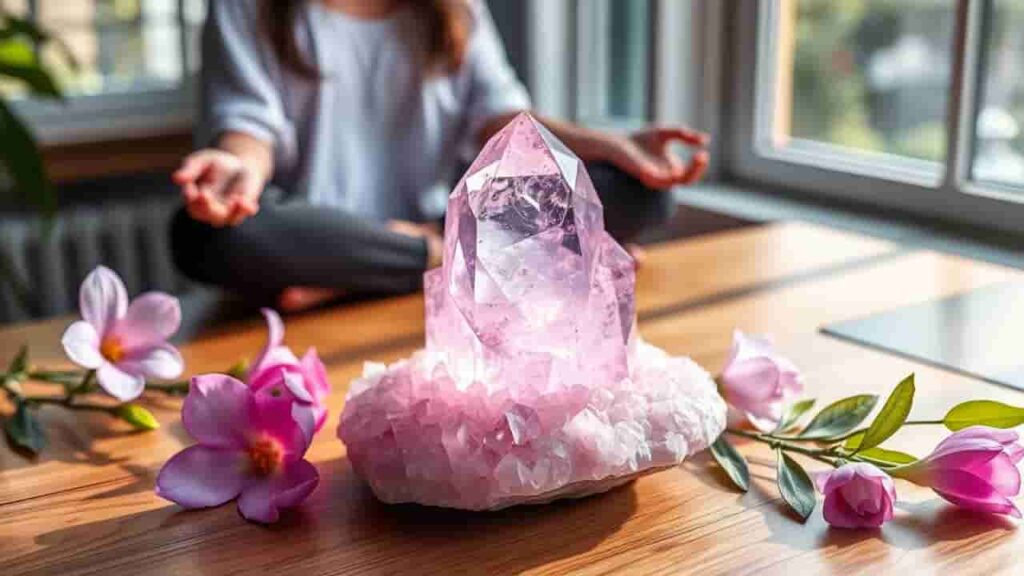
Kunzite is a pink to violet-pink gemstone that is especially known in crystal traditions for its associations with love, compassion, self-acceptance, and peaceful reflection.
If you are wondering what Kunzite is good for, people who follow crystal traditions commonly use it as a symbolic reminder of kindness, emotional openness, and personal growth. It is also popular in jewelry, meditation, spiritual practices, and mineral collections.
These meanings come from crystal and spiritual traditions, not established medical science. Kunzite should be enjoyed as a gemstone and spiritual symbol rather than as a treatment for a health condition.
What is Kunzite Good For?
In crystal traditions, Kunzite is mainly associated with love, compassion, self-acceptance, emotional openness, and peaceful reflection. People often use it as a symbolic reminder of kindness, personal growth, and connection.
| Traditional association | How people use it |
|---|---|
| Love | As a symbol of affection and connection |
| Compassion | For reflection on patience and understanding |
| Self-love | As a personal reminder of self-acceptance |
| Emotional openness | During personal reflection or spiritual practice |
| Calm reflection | During meditation or quiet time |
| Spiritual practice | As a symbolic object in crystal traditions |
Also Read: Kunzite Relationship Crystals
Table of Contents
What is Kunzite? Discovering the Pink Crystal of Love
If you are interested in unique gemstones, you might wonder: What is Kunzite, where does it come from, and how can you identify this pink crystal?
Kunzite is a beautiful pink gemstone discovered in the early 1900s. It is known for its delicate color, glass-like luster, and distinctive optical properties. In traditional crystal practices, it is regarded as a symbol of love connected to the heart.
| Property | Kunzite |
|---|---|
| Mineral | Spodumene |
| Common colors | Pink, lilac, violet-pink, sometimes nearly colorless |
| Luster | Vitreous or glass-like |
| Hardness | About 6.5–7 on the Mohs scale |
| Optical feature | Pleochroism |
| Common uses | Jewelry, collecting, meditation and spiritual practices |
| Traditional associations | Love, compassion, self-acceptance and reflection |
Here is some simple information regarding the origins, physical characteristics, and identification of Kunzite:
1. Where does Kunzite come from?
Compared to many ancient gemstones, Kunzite is a relatively recent discovery:
- Discovery: It was first found in the United States (California) in the early 1900s.
- Naming: It was first studied and identified by a renowned gemmologist named George Frederick Kunz; the stone was named “Kunzite” in his honour.
- Modern Popularity: Because of its recent discovery, people around the world have only been collecting and appreciating it for the past century.
2. What does Kunzite look and feel like?
Kunzite is a delicate and captivating mineral with unique natural characteristics:
- Color: Its color typically ranges from pale pink to soft violet-pink, sometimes showing faint hints of yellow or colorless transparency.
- Clarity and Luster: These stones often form in long, flat shapes and can be as clear and lustrous as window glass.
- Sensitivity to light: If Kunzite is exposed to intense, direct sunlight for a prolonged period, its color may fade; therefore, soft or indoor lighting is better for preserving its delicate pink hue.
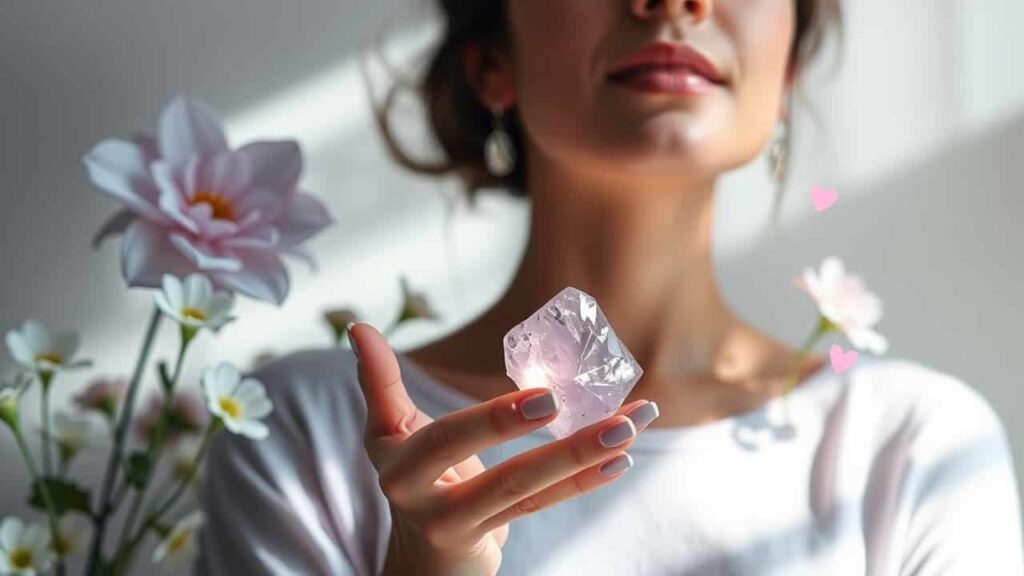
- Pleochroism: If you rotate a genuine stone in your hand, you will notice that its pink color appears slightly different when viewed from various angles.
3. How to identify genuine Kunzite
If you want to determine whether a pink crystal is genuine Kunzite, look for these simple indicators:
- Soft color shades: Genuine Kunzite typically displays soft, natural pink or violet hues, rather than overly bright or neon pink tones.
- Angle-based color shift: Rotating the crystal to observe a slight change in color (a phenomenon known as ‘pleochroism’) is a key characteristic of a genuine stone.
- Clarity and transparency: Genuine Kunzite is usually transparent or clear, not cloudy or opaque.
- Absence of air bubbles: If you spot small, round air bubbles inside, the item might be made of imitation glass rather than the actual mineral.
- Expert verification: If you have any doubts, you can always have the stone examined by a professional gemologist.
What Is Kunzite Traditionally Good For?
If you are gathering information about this gemstone before purchasing jewelry or home décor items, you might be wondering: what is Kunzite traditionally used for, and how do people use it?
In traditional crystal lore, Kunzite is regarded as a symbol of emotional balance, heartfelt love, and peaceful meditation. This makes it a popular choice for jewelry and for creating a serene atmosphere in the home.
Here is a simple comparison table outlining its traditional significance and everyday uses:
| Category | Traditional Belief / Association | Everyday Use or Application |
| Emotional Symbolism | Associated in crystal lore with soothing emotional stress, releasing old sadness, and bringing a sense of inner peace. | Kept nearby during stressful workdays or moments of personal reflection as a calming visual focus. |
| Heart Chakra Focus | Believed to open the heart chakra, encouraging openness to giving and receiving affection and kindness. | Worn close to the chest as a pendant necklace to remind yourself of compassion and love. |
| Self-Care Practices | Used in spiritual routines to promote self-acceptance, patience, and gentleness toward oneself. | Worn as a bracelet on the left wrist to serve as a steady, daily reminder of personal worth. |
| Meditation and Calm | Cherished as a peaceful tool to quiet a busy mind and encourage deep, relaxing breathing exercises. | Placed on a desk, nightstand, or meditation space to create a serene and comforting atmosphere. |
Core Properties of Kunzite
Before knowing about its benefits, let us know some special things about this beautiful gemstone:
- Mineral Family (Spodumene): This is the scientific “family name” of this stone! Kunzite comes from a natural mineral group called spodumene.
- Colour (Pink, Light Purple/Lilac, Dark Purple/Violet): It is available in beautiful colors like Light Pink, Light Purple (Lilac) and Deep Purple (Violet).
- Hardness (6.5 to 7 on Mohs scale): This shows how strong the stone is. On a scale of 1 to 10 (with diamond being 10), kunzite is strong enough to be used in everyday jewelry and does not scratch easily.
- Connection to Chakras (Heart and Throat Chakras): Understand the chakras as centers of energy in your body. Kunzite connects directly to your Heart Chakra (for love and emotions) and Throat Chakra (for talking or communication).
- Zodiac (Scorpio, Taurus, Leo): If you believe in astrology, this crystal creates a special and positive energy synergy with these specific zodiac signs!
Kunzite: Meaning and Symbolism
If you wish to understand the deeper spiritual significance of this pink mineral, you might ask: What are the primary meanings and symbols associated with Kunzite in crystal traditions?
In crystal lore, Kunzite symbolizes deep affection, kindness of heart, self-worth, and serene awareness. It serves as a meaningful focal point for spiritual contemplation.
Here is a simple overview of the four key symbols associated with Kunzite:
Love
- In crystal traditions, Kunzite’s soft pink hue represents love and affection for all.
- It is regarded as a powerful symbol for opening one’s heart to others, fostering healthy relationships, and cultivating a welcoming attitude toward family and friends.
Kindness
- Kunzite is traditionally associated with empathy and understanding.
- Many use this stone as a reminder to approach others’ struggles with kindness, patience, and a gentle heart, even in difficult situations.
Self-Love
- A central aspect of working with crystals is focusing on self-worth.
- Kunzite is often chosen as a symbol to help individuals let go of harsh self-criticism, embrace their unique qualities, and practice daily self-acceptance without judgment.
Spiritual Contemplation
- Due to its serene and delicate nature, Kunzite is often used to inspire quiet meditation.
- In spiritual traditions, it acts as a calming anchor, helping individuals step away from daily distractions to look inward and reflect on their personal goals and values.
Kunzite in Crystal and Chakra Traditions
If you wish to explore the spiritual aspects of this gemstone, you might wonder: what role does Kunzite play in traditional chakra systems and alternative energy beliefs?
In alternative crystal and chakra traditions, Kunzite is viewed as a powerful vibrational tool, specifically associated with opening the Heart Chakra and facilitating the smooth flow of emotional energy.
Here is how practitioners view Kunzite when working with chakras:
- Heart Chakra Center: In chakra philosophy, the heart center governs love, empathy, and emotional connection. Practitioners often place Kunzite directly on the chest during meditation, as its soft pink energy is believed to resonate harmoniously with this specific chakra.
- Energy Pathways: Alternative traditions suggest that emotional stress can create blockages within the body’s subtle energy fields. Kunzite is traditionally used as a gentle aid to clear these pathways and restore a smooth, balanced flow of energy.
- Vibrational Frequency: According to traditional crystal healing beliefs, every gemstone possesses a unique vibration. Kunzite’s high yet gentle frequency is believed to lighten a heavy heart and foster an atmosphere of peace and unconditional love.
What Are the Benefits of Kunzite?
In crystal lore and spiritual traditions, Kunzite is regarded as a stone of love, peace, and emotional balance. Many believe it helps open the Heart Chakra and fosters self-love, compassion, and spiritual awareness.
1. Traditional Beliefs: Emotional and Mental Significance
In crystal folklore, Kunzite is often described as a “gentle teacher” for the mind and heart. Users view its soft pink to pale violet hues as symbols of gentleness, patience, and emotional balance. Rather than acting as an instant emotional cure, traditional beliefs view Kunzite as a tool that helps individuals become mindful of how they think, feel, and interact with others.
- Embracing Self-Acceptance: Many people use Kunzite to cope with harsh self-criticism. In spiritual traditions, holding or gazing at the stone serves as a reminder that your worth does not depend on perfection; it encourages you to treat yourself with the same kindness you would offer a close friend.
- Openness to Love: According to traditional beliefs, people often build a “wall” around their emotions due to past emotional pain. Kunzite is used symbolically to gently lower these walls, helping individuals cultivate genuine, loving relationships with partners, friends, and family.
- Calm Thinking and Stress Relief: In crystal practices, Kunzite’s soothing color is believed to help calm a noisy or overactive mind. When feeling overwhelmed by daily tasks or a heavy workload, people use this stone as a cue to pause, take a deep breath, and face challenging situations with a calm mind.
- Hope in New Beginnings: Life transitions—such as moving to a new city, changing careers, or ending a relationship—can bring uncertainty. Symbolically, Kunzite represents optimism and renewed energy. It serves as a reminder that every ending creates space for new growth and opportunities.
- Mindful and Intentional Speech: Traditional beliefs hold that emotional balance directly influences how we speak. Keeping Kunzite close during difficult conversations acts as a prompt to pause before reacting. It helps you express complex emotions with honesty, respect, and a calm mind.
2. Spiritual Growth and Contemplation
In various spiritual traditions, Kunzite is valued for its connection to higher consciousness, subtle energy practices, and spiritual connection. It is often incorporated into routines of quiet contemplation, energy visualization, and meditation to help individuals deepen their sense of purpose and their connection to the world.
- Connection to the Heart Chakra: According to traditional subtle-energy systems (such as the chakra system), Kunzite is deeply connected to the Anahata or Heart Chakra. Practitioners believe that placing the stone near the chest during energy work facilitates a flow of unconditional love, compassion, and spiritual warmth within the body.
- Focus on the Present Moment (Mindfulness): Spiritual traditions often emphasize the importance of living in the “now” rather than dwelling on past mistakes or future worries. During quiet contemplation, the presence of Kunzite helps anchor one’s consciousness in the present moment, fostering a sense of stability and awareness.
- Inner Guidance and Intuition: In spiritual thought, true understanding arises from listening to one’s inner voice rather than external noise. Practitioners view Kunzite as a stone that helps quiet mental chatter, making it easier to connect with personal intuition, core values, and moral clarity.
- Universal Compassion and Forgiveness: On a broader spiritual level, Kunzite embodies the concept of the interconnectedness of all living beings. Those who use it often do so to cultivate a spirit of forgiveness—letting go of old resentments and viewing the world through a lens of universal empathy and understanding.
- Alignment with Universal Energy: Some practitioners believe that Kunzite’s high vibrational frequency helps align an individual’s personal energy with higher spiritual realms or the natural world, thereby fostering a profound sense of inner peace and spiritual harmony.
Also Read: Astrological Benefits of Ice Kunzite
Meaning and Characteristics of Pink Kunzite
If you are curious about this specific color, you might ask: what is the significance of Pink Kunzite in crystal traditions?
In crystal lore, Pink Kunzite is regarded as the ultimate physical symbol of genuine emotional warmth. It embodies tenderness, unconditional love, and a gentle energy connected to the heart.
Here is a brief overview of its traditional characteristics:
- Symbolism of Color: Its soft pink hue is believed to represent the gentle warmth of human love, making it a favoured gift for occasions celebrating friendship and romance.
- A Sense of Tenderness: Unlike stones with deep or vibrant tones, Pink Kunzite is traditionally associated with a very gentle and soothing energy that fosters tenderness in everyday life.
How Is Kunzite Used?
If you are considering purchasing this gemstone or adding it to your collection, you might be wondering: in what ways do people use Kunzite in their daily lives and traditional practices?
People primarily use Kunzite by wearing it as jewelry, holding it during meditation, incorporating it into their spiritual routines, or collecting it as a natural mineral specimen.
Here are four ways people enjoy Kunzite:
1. Jewellery
Kunzite is commonly cut and polished for:
- Rings
- Pendants
- Earrings
- Bracelets
- Necklaces
- Wearing it close to the body: Due to its lovely pink hue and glass-like luster, Kunzite is often cut and set into rings, earrings, bracelets, and necklaces.
- Symbolic fashion: By wearing Kunzite jewellery—especially as a pendant near the chest or a bracelet on the left wrist—people can carry its traditional symbolism of love and peace with them wherever they go.
2. Meditation
- A tool for focus: Many people hold a smooth Kunzite stone in their hands while practicing calming breathing exercises.
- Calming the mind: In traditional practices, focusing on the stone’s cool weight and soft color helps practitioners shift their attention away from daily stressors and experience deep relaxation.
3. Personal spiritual practice
- Setting intentions: People often place a piece of Kunzite on an altar, desk, or nightstand as a reminder of their personal daily goals, such as practicing patience or kindness.
- Chakra focus: In alternative belief systems, people use this pink crystal during energy-balancing exercises focused on the Heart Chakra to foster emotional openness.
4. Collecting
- Appreciating natural specimens: Beyond wearing it or using it for meditation, many mineral enthusiasts collect raw or polished Kunzite crystals simply for their unique crystal shapes and fascinating color-changing properties (pleochroism).
- Decorative pieces: By displaying a fine Kunzite specimen on a shelf, collectors can enjoy its natural beauty as a decorative art piece in their home.
Combining Kunzite with Other Crystals
| Crystal | Traditional reason for pairing |
|---|---|
| Rose Quartz | Love, compassion and gentle relationship symbolism |
| Amethyst | Meditation, spirituality and reflection |
| Morganite | Love, tenderness and heart-centered symbolism |
| Clear Quartz | Often used as a general intention-setting stone |
| Rhodonite | Compassion, forgiveness and relationship themes |
When working with Kunzite, combining it with other crystals can create synergistic effects, enhancing its benefits or creating a more balanced energy field. Here is a look at some of the best companions, combinations for specific purposes, and ways to achieve energy balance:
1. The Best Crystal Companions to Enhance the Benefits of Kunzite
- Rose Quartz: This classic pairing amplifies the loving energy of both stones, promoting deep self-love, compassion, and harmony in relationships. They create a powerful field of gentle, unconditional love.
- Amethyst: Combining Kunzite with Amethyst can enhance their metaphysical properties. Amethyst enhances spiritual awareness, intuition, and peace, complementing Kunzite’s heart-opening properties with a connection to the higher realms.
- Clear Quartz: Known as the “master amplifier,” Clear Quartz can amplify the energy of Kunzite, intensifying its calming, loving, and healing vibrations. It also helps clarify intentions.
- Morganite: As another heart chakra stone, Morganite resonates beautifully with Kunzite, enhancing feelings of joy, inner peace, and divine love. Together, they create a powerful energy for emotional healing and attracting loving relationships.
2. Crystal Combinations for Specific Healing Purposes
- For enhanced emotional healing: Combine Kunzite with Rose Quartz for gentle love and release, Lepidolite to calm anxiety and promote emotional balance, or Rhodonite to heal emotional wounds and promote forgiveness.
- For deeper spiritual connection: Combine Kunzite with Amethyst to enhance intuition and spiritual insight, Selenite to clear energy blockages and promote connection to higher consciousness, or Angelite for gentle communication with the angelic realm.
- For stress relief and inner peace: Combine Kunzite with Lepidolite for its Lithium content that helps calm the mind, Blue Lace Agate for its soothing and nurturing energy, or Howlite to reduce anxiety and promote peace.
- To manifest love and harmony: Combine Kunzite with Rose Quartz to attract love and strengthen existing relationships, Emerald to promote harmony and compassion in partnerships, or Pink Tourmaline to attract love and happiness.
3. Creating Balanced Energy with Complementary Stones
To create a balanced energy field when working with Kunzite, consider pairing it with grounding and protective stones:
- Smoky Quartz: This can help ground the high vibrational energy of Kunzite, providing stability and connecting you to the Earth. It also helps transform negative energy.
- Black Tourmaline: A powerful protector, Black Tourmaline can shield you from negative energies while allowing the loving vibrations of Kunzite to flow freely.
- Hematite: Known for its grounding and balancing properties, Hematite can help you stay centered when working with the more ethereal energies of Kunzite.
When mixing crystals, listen to your intuition. Experiment with different pairings to see which combinations resonate best with you and your intentions. You can wear these together as jewellery, keep them around you, or hold them during meditation. The key is to create a harmonious synergy that supports your overall well-being.
Kunzite and Astrology
If you are curious about the connection between zodiac signs and gemstones, you might wonder: how does Kunzite relate to astrology and birthstone traditions?
In astrological beliefs, Kunzite is traditionally associated with zodiac signs such as Scorpio, Taurus, and Leo. It serves as a symbolic talisman that helps individuals express their emotions and maintain inner peace.
Here is how astrologers and crystal enthusiasts link Kunzite to planetary influences:
- Connection to Zodiac Signs: In alternative astrological traditions, Kunzite is often associated with signs known for deep emotions. For instance, Scorpios might be advised to wear it to soften their emotional defences, while Taureans and Leos might wear it to cultivate gentleness and compassion toward themselves.
- Planetary Symbolism: In alternative astrological beliefs, pink stones are frequently linked to the planet Venus—traditionally associated with love, beauty, and harmonious relationships. Practitioners use Kunzite as a reminder of these Venusian qualities.
- Personal Talisman: Although Kunzite is not a standard modern birthstone for any specific month of the calendar, many astrology enthusiasts choose to wear it during particular seasons or planetary transits—times when they wish to focus on fostering self-love and emotional balance.
How to Wear Kunzite
There is no single required way to wear Kunzite. Popular choices include:
- Kunzite pendant
- A pendant allows the gemstone to sit near the chest and fits naturally with its traditional heart-centered symbolism.
- Kunzite bracelet
- A bracelet is a convenient everyday choice and can serve as a personal reminder of an intention such as love, compassion, or self-acceptance.
- Kunzite ring
- A ring lets you keep the gemstone visible throughout the day while enjoying it as jewelry.
- Kunzite earrings
- Earrings are another simple way to wear Kunzite without exposing the gemstone to as much contact as a ring or bracelet.
The best choice depends on your personal style, comfort, and how much protection the gemstone needs.
How to Care for Kunzite
Kunzite deserves some care because of its moderate hardness and sensitivity to light.
- Protect it from prolonged strong sunlight
- Extended exposure to intense light can affect the color of some Kunzite specimens. When you are not wearing it, storing the gemstone in a pouch or jewelry box can help protect it.
- Avoid strong impacts
- Although Kunzite has a Mohs hardness of about 6.5–7, it can still be scratched or damaged by hard impacts.
- Remove Kunzite jewelry before activities where the stone could receive knocks or rough treatment.
- Clean it gently
- For routine cleaning, use a soft cloth and mild soapy water when appropriate, then dry the gemstone carefully.
- Avoid harsh chemicals and unnecessary heat.
- Store it separately
- Keeping Kunzite in a soft pouch or separate jewelry compartment can help prevent scratches from harder gemstones.
How to Use Kunzite in a Simple Crystal Practice
If you follow crystal traditions, you don’t need a complex ritual to work with Kunzite.
Try this simple method:
- Hold the Kunzite comfortably in your hand.
- Choose an intention, such as compassion or self-acceptance.
- Spend a few quiet moments reflecting on that intention.
- Place the stone somewhere where you can see it throughout the day.
- Repeat this process whenever you need a reminder of your intention.
The gemstone doesn’t need to perform a miracle for this practice to be effective. For many, its significance lies in the symbolism, the act of self-reflection, and the intention behind using it.
Who Might Choose Kunzite?
If you are wondering whether this gemstone suits your personal style or goals, you might ask: Who chooses Kunzite, and is it necessary to subscribe to specific beliefs to own it?
Anyone can choose Kunzite simply for its beauty or as a personal symbol. It often appeals to those who love pink minerals, collect unique crystals, or practice daily mindfulness.
Here is a look at the types of people who often choose Kunzite:
- Lovers of pink or purple gemstones: Those who appreciate soft pastel hues and delicate, glass-like minerals often select Kunzite for their personal style.
- Enthusiasts of crystals and spiritual traditions: People interested in alternative beliefs, chakra-based practices, or astrological symbolism often include Kunzite in their collections.
- Seekers of a symbolic stone representing love and compassion: Buyers looking for a meaningful token of affection, kindness, and emotional harmony often choose this pink crystal.
- Practitioners of meditation or intention-setting: Those who use smooth stones to focus during calming breathing exercises or daily goal-setting often find Kunzite very beneficial.
- Gemstone jewellery lovers: Enthusiasts of rings, pendants, and bracelets who desire a unique accessory often seek out pieces featuring Kunzite.
- Collectors of unique mineral specimens: Mineral enthusiasts love collecting Kunzite for its rare crystal formations and fascinating color-changing properties.
- Those seeking a personal reminder of self-acceptance or kindness: Many people simply keep this stone as a gentle, daily reminder to be patient and kind to themselves.
You do not need to belong to a specific group or follow strict rules to own or appreciate Kunzite. Whether you view it as a work of natural art, an aid for meditation, or a beautiful piece of jewelry, you can enjoy it however you wish.

FAQs About What is Kunzite Good For?
What is Kunzite mainly known for?
In crystal traditions, Kunzite is mainly known for its associations with love, compassion, self-love, emotional openness, and peaceful reflection. It is also valued as a pink-to-violet gemstone and is popular in jewelry.
Is Kunzite a good crystal for love?
Kunzite is traditionally associated with love, affection, compassion, and emotional openness. People may choose it as a symbolic reminder of these qualities in relationships and personal reflection.
Can Kunzite be used for meditation?
Yes. People who follow crystal practices may hold Kunzite or keep it nearby during meditation. Its role is generally symbolic, helping the person focus on an intention such as peace, compassion, or self-acceptance.
What zodiac signs are associated with Kunzite?
Different astrology and crystal traditions give different zodiac associations. Taurus, Leo, and Scorpio are among the signs sometimes connected with Kunzite, but there is no single universally accepted correspondence.
Is Kunzite a healing crystal?
Kunzite is often called a “healing crystal” within crystal traditions, particularly in relation to love, compassion, and emotional symbolism. These are spiritual beliefs and should not be presented as scientifically proven medical effects.
How should Kunzite be cared for?
Protect Kunzite from strong impacts, prolonged intense sunlight, harsh chemicals, and unnecessary heat. Store it separately and clean it gently to help preserve its appearance.
Conclusion:- What is Kunzite Good For?
So, what is Kunzite good for?
In crystal and spiritual traditions, Kunzite is primarily associated with:
- Love and affection
- Compassion and kindness
- Self-love and self-acceptance
- Emotional openness
- Peaceful reflection
- Meditation and spiritual practice
Beyond its traditional symbolism, Kunzite is simply a beautiful gemstone with distinctive pink-to-violet colors, transparency, and pleochroism.
Whether you choose Kunzite for its gemstone beauty, its astrological or crystal-tradition associations, or simply because you like it, there is no complicated rule for enjoying it. Choose a piece you genuinely like and use its symbolism in a way that feels meaningful to you.
For more gemstone meanings, uses, and traditional crystal associations, explore our Crystal Stones Meanings, Uses, Power & Pictures Guide.