

Imagine a stone as blue as the night sky. Lapis lazuli is like a little piece of heaven on earth! This special stone has been coveted for thousands of years because it is so beautiful and mysterious. With its sparkling golden spots, it looks like a magical treasure. But lapis lazuli is not just beautiful to look at; it has a special magic that people have believed in for centuries.
Let’s uncover the secrets of this amazing stone!
Also Read: Lapis Lazuli meaning and properties
What Does Lapis Lazuli Symbolize?
Lapis lazuli is traditionally associated with wisdom, truth, spiritual understanding, protection, and self-expression. Its deep blue color and long history have also linked it to royalty, the heavens, and spiritual enlightenment.
Keep reading for detailed explanation about Lapis Lazuli…
Table of Contents
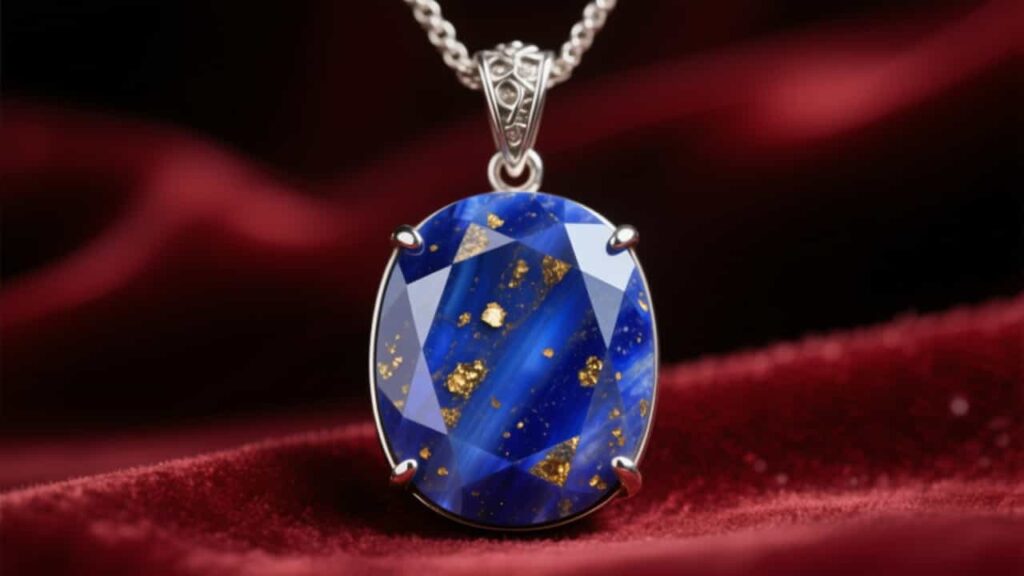
Discover Lapis Lazuli: Wisdom, Truth, and Royal Blue Beauty
Lapis Lazuli is one of the most famous, captivating, and ancient gemstones in human history. Renowned for its beautiful, deep starry-blue hue and shimmering golden flecks, it has captivated the human imagination for millennia.
Let’s explore what this magnificent stone represents and why it is traditionally associated with wisdom, truth, and royalty—explained in simple terms!
The Meaning and Traditions Behind Lapis Lazuli
Wisdom and Truth
Across many ancient cultures, Lapis Lazuli has traditionally been known as the stone of truth and wisdom.
- It has long been believed that wearing or holding this stone helps dispel confusion, encourages honest communication, and empowers you to speak your mind with confidence and clarity.
- It is often referred to as a stone of learning because it fosters curiosity, sharp thinking, and the pursuit of knowledge.
Spiritual Understanding and Protection
With its deep blue color and golden speckles, Lapis Lazuli reminded ancient people of the starry night sky.
- They believed the stone held a connection to the heavens, the soul, and higher consciousness.
- It was also traditionally used as a protective talisman, worn to ward off negative energy and to instill a profound sense of inner peace and spiritual strength.
Royal History and Connections to Kings
For thousands of years, Lapis Lazuli was considered even more valuable than gold!
- Ancient Egyptian Pharaohs (such as King Tutankhamun), Mesopotamian kings, and Roman emperors used Lapis Lazuli for royal jewelry, burial masks, and the decoration of magnificent palaces.
- Its deep, brilliant blue hue was so rare and costly that it became a universal symbol of wealth, power, and royalty.
Self-Expression and Creativity
If you ever feel hesitant about sharing your ideas or standing up for what you believe in, Lapis Lazuli is traditionally used to boost confidence.
- It is associated with clear communication, helping artists, writers, and speakers express their unique voices and creativity with courage and authenticity.
Lapis Lazuli is far more than just a stunning blue stone—it is a piece of ancient history rich in significance. Whether you admire it for its beautiful, starry blue hues, its regal past, or as a mindfulness tool for wisdom, truth, and self-expression, it remains one of the world’s most precious gemstones.
Lapis Lazuli Meaning
When exploring the magnificent history and folklore of Lapis Lazuli, several key themes emerge. For millennia, people have associated this deep blue stone with powerful symbolic meanings—associations that shed light on why it is used today as a tool for mindfulness.
| Meaning | Traditional Association |
|---|---|
| Wisdom | Knowledge, learning and insight |
| Truth | Honesty and authentic expression |
| Spirituality | Inner awareness and reflection |
| Protection | Traditional protective symbolism |
| Communication | Clear and honest self-expression |
| Royalty | Wealth, status and power |
| Intuition | Inner vision and spiritual awareness |
Let’s break down these traditional associations in simple terms!
Key Meanings and Traditional Associations of Lapis Lazuli
Wisdom
- What it means: Sound judgment, common sense, and a deep understanding of life.
- Traditional connection: Lapis Lazuli has long been regarded as a stone of profound wisdom, helping people think clearly, solve problems thoughtfully, and make smart choices.
Knowledge
- What it means: Gathering information, learning new things, and understanding how the world works.
- Traditional connection: Scholars, students, and thinkers of the past often viewed Lapis Lazuli as a companion for study, sparking curiosity and expanding the mind.
Truth
- What it means: Being honest, truthful, and living or speaking with integrity.
- Traditional connection: Traditionally, this stone is seen as a symbol of absolute honesty, encouraging people to move past misunderstandings and speak their authentic truth.
Spirituality
- What it means: Feeling connected to something greater than oneself, finding inner peace, and seeking deeper meaning in life.
- Traditional connection: Because its deep blue hue resembles a starry sky, ancient cultures believed it bridged the gap between the earth and the heavens.
Protection
- What it means: Keeping oneself safe from harm, stress, or negative energy.
- Traditional connection: Throughout history, warriors and royalty wore Lapis Lazuli as a protective talisman to ward off negative influences and gain strength.
Communication
- What it means: Clearly sharing your thoughts, emotions, and ideas so that others can understand you.
- Traditional Connection: It is traditionally associated with speaking confidently and eloquently, making it a favorite among writers, teachers, and public speakers.
Royalty
- What it means: High status, wealth, and grandeur associated with kings, queens, and emperors.
- Traditional Connection: Because high-quality Lapis Lazuli was rare and expensive in the ancient world, it was possessed primarily by pharaohs and royalty to display power and luxury.
Intuition
- What it means: Your inner feeling or natural instinct that helps guide your decisions.
- Traditional Connection: Holding or wearing Lapis Lazuli is traditionally believed to help quiet the mind, allowing you to listen more closely to your inner voice and wisdom.
The enduring appeal of Lapis Lazuli lies in the magnificent blend of its history and symbolism. Whether you value it for learning, truth, protection, or its royal heritage, it remains a timeless stone of wisdom and self-expression!
The Spiritual Meaning of Lapis Lazuli
Beyond its magnificent history in art and royal jewelry, Lapis Lazuli is highly prized today as a powerful tool for mindfulness and spirituality. With its deep blue hue and star-like golden flecks, it has been used for centuries to help people connect with their inner selves and contemplate life’s profound questions.
Let’s explore five key spiritual meanings of Lapis Lazuli in simple terms!
5 Key Spiritual Meanings of Lapis Lazuli
Inner Insight
- What it means: Paying attention to your deep intuition and gut feelings instead of always looking outward for answers.
- How Lapis Lazuli helps: Holding or wearing Lapis Lazuli serves as a gentle reminder to trust your inner wisdom. It helps calm a busy mind, allowing you to think clearly and make thoughtful, smart decisions.
Truth
- What it means: Being completely honest with yourself and others, and living a life that aligns with your core values.
- How Lapis Lazuli helps: Historically known as the “Stone of Truth,” Lapis Lazuli gives you the courage to see beyond facades, stop hiding your true self, and embrace complete honesty in your daily life.
Self-Reflection
- What it means: Taking the time to pause, breathe, and reflect on your emotions and goals.
- How Lapis Lazuli helps: When life feels chaotic, Lapis Lazuli acts as an anchor during quiet moments or meditation. Its deep, calming blue color helps you look inward, better understand your emotions, and learn from your experiences.
Spiritual Awareness
- What it means: Opening your mind to deeper meanings, higher perspectives, and a sense of serene wonder about the universe.
- How Lapis Lazuli helps: With its deep blue hue resembling a starry night sky, it has long been viewed as a bridge to the heavens. It helps shift your thoughts away from everyday stress and opens your mind to a broader, more peaceful view of life.
Communication
- What it means: Expressing your thoughts, emotions, and creative ideas clearly, lovingly, and honestly.
- How Lapis Lazuli helps: Traditionally associated with the throat and voice, Lapis Lazuli is a favorite among writers, speakers, and anyone looking to boost their confidence. It helps you find the right words to express your authentic self without fear.
Lapis Lazuli is a wonderful companion for personal growth. Whether you use it to gain inner insight, speak your truth, reflect peacefully, enhance spiritual awareness, or improve your communication, this ancient stone serves as a beautiful daily tool for mindfulness and tranquillity!
The Symbolism of Lapis Lazuli in History: A Deeper Understanding
Lapis lazuli is far more than just a magnificent blue mineral. For millennia, it has held a profound place in human history, serving as a bridge connecting world rulers, sacred traditions, and the highest forms of art.
Let us take a closer, more detailed look at how three major historical eras—Ancient Egypt, Mesopotamia, and Renaissance Europe—viewed this magnificent stone.
Ancient Egypt: The Stone of the Heavens and Royal Eternity
In Ancient Egypt, lapis lazuli was considered a treasure of the gods, rivaling gold in both value and sacred significance.
- Favoured by Pharaohs and Queens: Egyptian royalty held this stone in high regard. Renowned pharaohs and queens wore heavy, magnificent necklaces, rings, and beaded strands made of lapis lazuli to demonstrate their supreme power and divine right to rule.
- Protection in the Afterlife: The Egyptians believed that death was not an end, but a journey to another world. Consequently, they carved lapis lazuli into protective amulets—particularly in the shape of the sacred Eye of Horus—and placed them within royal tombs to safeguard the pharaoh’s soul.
- Connection to the Starry Night Sky: To the ancient Egyptians, the deep blue hue of lapis lazuli, flecked with golden pyrite, resembled the distant, star-studded night sky. They believed the stone possessed the power of the heavens, directly linking human rulers to the gods. This is why it featured so prominently in the golden burial mask of King Tutankhamun.
Ancient Mesopotamia: Status, Temples, and Divine Power
In ancient Mesopotamia (an early civilization located in present-day Iraq), lapis lazuli was imported via long-distance trade from the rugged mountains of modern-day Afghanistan due to its immense popularity.
- A Symbol of Great Wealth: Because the stone had to traverse perilous trade routes to reach Mesopotamia, it was scarce, a luxury item, and extremely expensive. Only kings, high priests, and the very wealthy could afford it.
- Sacred Temples and Royal Seals: Mesopotamians used lapis lazuli to adorn their most sacred temples, craft intricate royal cylinder seals (used like signatures to authenticate important documents), and create luxury daggers and statues.
- Abode of the Gods: Much like the Egyptians, Mesopotamian folklore regarded this deep blue stone as a direct reflection of the starry sky. It was believed that possessing lapis lazuli brought a person closer to the divine wisdom and protection of the gods who dwelt above the clouds.
Renaissance Europe: The Priceless Blue of Masterpiece Art
Centuries later, during the cultural explosion of the Renaissance in Europe, lapis lazuli transitioned from royal jewelry to the world of fine art—with a fascinating twist.
- From Stone to Paint: Instead of merely carving the crystals into beads or sculptures, European painters did something unique: they took solid chunks of lapis lazuli, ground them into a fine powder, and washed the dust to create a pigment known as Ultramarine (literally meaning “beyond the sea”).
- More Precious Than Gold: Ultramarine blue was unlike any other paint color available at the time. It was incredibly vibrant and rich, and it never faded in the light. Because extracting pure blue pigment from the raw rock was difficult and costly, ultramarine soon became more valuable than gold by weight.
- Reserved for the Divine: Due to its exorbitant cost, master painters like Michelangelo and Da Vinci could not afford to waste it. Patrons and artists reserved ultramarine almost exclusively for the most crucial elements of sacred paintings—such as the brilliant blue robes worn by the Virgin Mary—imbuing the artwork with a luminous, celestial presence that still takes the breath away of visitors to modern museums.
From the sacred royal tombs of ancient Egypt and the prized temple treasures of Mesopotamia to the masterpiece canvases of Renaissance Europe, Lapis Lazuli has always been regarded as a supreme treasure. Its history proves that this deep, starry-blue stone has captivated human creativity, spiritual wonder, and the love of beauty for millennia!
What Does Lapis Lazuli Represent?
Lapis Lazuli is far more than just a stunning blue mineral flecked with gold. For millennia, humans have admired this beautiful gemstone and imbued it with profound symbolic meaning.
Let’s explore in simple terms exactly what Lapis Lazuli symbolizes.
Wisdom and Knowledge
Lapis Lazuli is known worldwide as the stone of wisdom.
- What it symbolizes: It represents a deep, lifelong love of learning, curiosity, and the ability to make intelligent, well-considered decisions.
- Why it matters: Scholars, philosophers, and students of the past viewed Lapis Lazuli as a companion for expanding the mind. Embodying wisdom, it serves as a gentle reminder to pause, reflect, and understand—rather than acting blindly.
Truth and Honesty
Known in ancient times as the “Stone of Truth,” Lapis Lazuli represents absolute honesty and authenticity.
- What it symbolizes: Standing firm in who you are, refusing to hide behind false masks, and living with complete honesty—both with yourself and others.
- Why it matters: In a busy world filled with external opinions, this stone empowers you to leave misconceptions behind, clear away confusion, and find the courage to speak or live your authentic truth without fear.
Spiritual Understanding
Because high-quality Lapis Lazuli features a deep royal blue hue speckled with golden pyrite—resembling a starry night sky—it has long symbolized the cosmos and the divine.
- What it symbolizes: A bridge between the everyday physical world and higher spiritual awareness, inner peace, and a sense of wonder about the universe.
- Why it matters: It encourages introspection during quiet moments or meditation, helping to quiet the constant mental chatter of daily life and connect with a profound sense of peace and clarity.
Protection
For millennia—from ancient Egyptian pharaohs to warriors heading into battle—people have carried Lapis Lazuli as a shield.
- What it represents: Safety, emotional security, and protection against negative energy or everyday stress.
- Why it matters: Symbolizing protection, keeping a piece of Lapis Lazuli on your desk or in your pocket serves as a comforting anchor, helping you feel grounded and secure even amidst life’s turbulence.
Communication and Self-Expression
Lapis Lazuli is traditionally associated with the throat and voice, making it a powerful symbol of clear communication.
- What it signifies: Sharing your thoughts, emotions, and creative ideas clearly, lovingly, and honestly.
- Why it matters: If you ever feel nervous about speaking up in meetings, sharing your writing, or voicing your true opinion, this stone helps you find your voice and fosters the confidence to speak with grace and strength.
Inner Strength
Beneath its serene blue beauty lies a history of endurance—surviving the arduous mining processes of ancient times and remaining a prized emblem across empires.
- What it signifies: Courage, bravery, and mental resilience in the face of daunting challenges.
- Why it matters: Embodying inner strength, Lapis Lazuli reminds you that you possess the emotional fortitude to handle life’s hardships, bounce back from adversity, and stand firm with calm confidence.
Lapis Lazuli represents a beautiful collection of human values—wisdom, truth, spiritual insight, protection, communication, and inner strength. Whether you use it as a daily mindfulness tool or simply admire its timeless, regal beauty, it will remain an enduring symbol of personal growth and serenity.
Lapis Lazuli and the Throat Chakra
When people talk about crystals and energy work, you will often hear the word “chakra” (pronounced: cha-kruh). But what does it actually mean, and how does Lapis Lazuli fit into the picture?
Let’s explore the connection between Lapis Lazuli and the throat chakra in simple, detailed terms!
What is the Throat Chakra?
Before looking at the crystal, it is important to understand the chakra itself:
- Communication Hub: The throat chakra governs everything related to how you express yourself—speaking, writing, singing, and even active listening.
- Speaking Your Truth: When your throat chakra feels clear and balanced, you can share your thoughts honestly, stand up for yourself with love, and express your creative ideas without fear or hesitation.
- Blocked Energy: When this center feels blocked or out of balance, you might struggle to find the right words, feel nervous about speaking in public, or suppress your true feelings.
Why Lapis Lazuli is the Best Stone for the Throat Chakra
Lapis Lazuli is considered one of the world’s best crystals for the throat chakra. Here’s why:
The Power of Blue
In traditional energy work, the color of a crystal often corresponds to the color of the body’s chakras.
- The throat chakra is traditionally associated with the color blue.
- Because Lapis Lazuli boasts a beautiful, deep royal blue hue, energy practitioners believe its visual vibration naturally aligns with and supports the throat center, helping to clear mental clutter and foster clear expression.
Unlocking Honest Communication
Since Lapis Lazuli has historically been known as the “Stone of Truth,” it is a natural match for the body’s communication hub.
- Wearing Lapis Lazuli as a necklace pendant (positioning it close to your chest and throat) or holding it during moments of calm reflection is a traditional practice used to foster honest, open dialogue.
- It helps alleviate the fear of judgment, giving you the calm confidence to speak your truth.
Bridging Thoughts and Words
Sometimes, brilliant ideas occur to us, yet we struggle to articulate them with the right words.
- Lapis Lazuli is traditionally believed to bridge your inner understanding (originating in the mind) with your outward voice (emanating from the throat).
- It assists writers, teachers, public speakers, and shy individuals in finding words that are clear, articulate, and confident.
How to Use Lapis Lazuli for the Throat Chakra
If you wish to use Lapis Lazuli to enhance your communication and self-expression, here are a few simple ways to try it:
- Wear a Necklace Pendant: Wearing a Lapis Lazuli pendant ensures the stone remains near the center of your throat throughout the day, serving as a stylish physical reminder to speak with love and honesty.
- Calm Meditation: Sit comfortably, gently place a piece of Lapis Lazuli on your throat or hold it in your hands, take a few slow breaths, and focus on releasing any anxious thoughts before a major meeting or presentation.
- Journaling Companion: Keep a tumbled Lapis Lazuli stone on your desk while writing, journaling, or brainstorming for creative projects to help your ideas flow easily onto the page.
Lapis Lazuli and the throat chakra form a classic pairing in mindfulness traditions. By linking its deep royal blue hue with the energy of honest communication, Lapis Lazuli serves as a wonderful physical tool to help you find your voice, speak your truth, and express yourself with confidence!
Lapis Lazuli and the Third Eye Chakra
In mindfulness and energy traditions, gemstones are often associated with specific energy centers in the body known as chakras. While Lapis Lazuli is renowned for its connection to the Throat Chakra, it is equally celebrated as one of the best stones for the Third Eye Chakra.
Let’s explain what the Third Eye Chakra is and how Lapis Lazuli connects to it, in very simple terms!
What is the Third Eye Chakra?
Before looking at the crystal, it is important to understand what this energy center represents:
- Center of Intuition: The Third Eye is traditionally viewed as a window into your inner guidance system. When balanced, you trust your gut feelings, easily notice patterns, and feel deeply connected to your inner wisdom.
- Imagination and Clarity: This center also governs your ability to see beyond superficial distractions, view the bigger picture of life, and tap into deep creative imagination.
- Mental Overload: When you feel mentally scattered, stressed, or unable to focus, mindfulness traditions describe the Third Eye as feeling clouded or out of balance.
Why Lapis Lazuli is the Ultimate Stone for the Third Eye
Lapis Lazuli is traditionally considered a powerhouse crystal for the Third Eye Chakra. Here is why:
Matching the Deep Indigo Color
In traditional energy work, crystal colors are matched to chakra colors.
- The Third Eye Chakra is traditionally represented by indigo (a deep, rich blue-violet hue).
- Because Lapis Lazuli possesses a rich, starry royal blue hue, its visual appearance naturally aligns with the energy of the Third Eye, serving as a calming visual anchor for meditation and focus.
Unlocking Inner Wisdom and Intuition
Aries and high-energy minds often race so fast that slowing down to listen to inner guidance becomes difficult.
- Lapis Lazuli is traditionally used to quiet the constant mental chatter of daily life.
- Holding or meditating with Lapis Lazuli is believed to clear away mental fog, allowing your natural intuition and common sense to surface.
Bridging Logic and Spirit
The Third Eye is located right between your physical eyes, acting as a bridge between the physical world and your inner thoughts.
- Historically, Lapis Lazuli has been known as the stone of wisdom and truth.
- Using it during moments of quiet reflection helps you view everyday situations from a broader, calmer perspective, enabling you to make thoughtful, smart decisions.
How to Use Lapis Lazuli for Third Eye Mindfulness
If you wish to use Lapis Lazuli to focus on your intuition and mental clarity, here are a few simple ways to try it:
- Placement on the Forehead (Relaxation): While lying down in a moment of calm and rest, you can gently place a smooth Lapis Lazuli stone on your forehead (between your eyebrows) for a few minutes to promote deep mental relaxation.
- Meditation Companion: Hold a piece of Lapis Lazuli in your hands and take slow, deep breaths to help quiet distractions and focus on your inner thoughts.
- Focus at the workplace: Keep a small Lapis Lazuli stone on your desk or study table to remind yourself to pause, think clearly, and trust your inner voice when making decisions.
Lapis Lazuli and the Third Eye Chakra form a classic pairing in mindfulness traditions. By connecting its beautiful deep blue hue with the energy of intuition and inner insight, Lapis Lazuli serves as a wonderful physical tool that helps clear mental fog, fosters trust in your inner voice, and brings a sense of peace and clarity!
Spiritual Uses of Lapis Lazuli
Beyond its magnificent royal beauty and long history in art, Lapis Lazuli is highly valued today as an excellent tool for mindfulness and spirituality. People around the world use it to create calming routines and to connect more deeply with their inner selves.
Let’s explore some of the most popular spiritual and mindfulness uses of Lapis Lazuli, explained in simple terms!
Popular Spiritual and Mindfulness Uses of Lapis Lazuli
Deepening Meditation
- How people use it: When your mind feels scattered or unsettled by daily stress, holding a piece of Lapis Lazuli during calming breathing exercises helps maintain your focus.
- Why it helps: Its deep blue color serves as a soothing visual reminder to slow down, breathe, and let go of busy thoughts, making it a wonderful companion for peaceful meditation.
Setting Daily Intentions
- How people use it: In the morning, you can take a moment to hold a Lapis Lazuli stone in your hand and set a clear personal goal for the day—such as speaking the truth, staying calm, or making thoughtful decisions.
- Why it helps: It serves as a great reminder. Keeping the stone with you or seeing it on your desk reminds you of the positive intention you set earlier in the day.
Enhancing Self-Reflection and Journaling
- How people use it: Many writers, artists, and mindfulness practitioners keep a smooth Lapis Lazuli palm stone nearby while journaling or exploring their personal thoughts.
- Why it helps: Traditionally regarded as a stone of inner wisdom and truth, it encourages you to honestly examine your emotions, learn from your experiences, and clearly articulate your creative ideas.
Clearing mental fog and enhancing focus
- How people use it: Placing a piece of Lapis Lazuli on a work desk or study table while tackling a challenging project or solving complex problems.
- Why it helps: It acts as a grounding visual anchor that helps dispel mental clutter, encouraging you to slow down, think clearly, and trust your natural intuition.
Creating a calm, sacred space
- How people use it: Displaying a raw crystal cluster or a polished piece of Lapis Lazuli on a nightstand, bookshelf, or meditation corner.
- Why it helps: Its deep royal blue hue adds a serene, elegant touch to any room, transforming a simple corner of your home into a cozy, soothing space for relaxation.
Whether you use it during meditation, keep it nearby as a reminder of your daily intentions, or place it on your desk to boost focus, Lapis Lazuli is a versatile and meaningful mindfulness tool. It is all about harnessing its rich history and beautiful energy to help you feel more grounded, wise, and calm every day!
Lapis Lazuli in Astrology
In the lore of astrology and crystals, gemstones are often associated with specific zodiac signs, ruling planets, and cosmic energies. Although Lapis Lazuli is not the official traditional birthstone for every zodiac sign, it holds a special place in astrological traditions as a stone of wisdom, truth, and higher learning.
Let’s explore—in simple terms—how Lapis Lazuli connects to astrology.
How Lapis Lazuli Connects to Astrology
Zodiac Associations: Sagittarius and Libra
While many crystals are linked to various signs, in astrological crystal traditions, Lapis Lazuli is most strongly associated with Sagittarius and Libra:
- For Sagittarius: Sagittarius is a fire sign known for its love of adventure, philosophy, and the quest for life’s greater truths. Since Lapis Lazuli is traditionally known as the “stone of truth and wisdom,” it is considered a perfect cosmic match for the inquisitive Sagittarian who loves to learn and explore the world.
- For Libra: Libra is an air sign ruled by Venus, known for balance, harmony, and effective communication. Lapis Lazuli supports the throat chakra, helping Libras express their thoughts clearly, resolve conflicts peacefully, and speak their inner truth.
Connection to Jupiter and Saturn
In traditional astrology and planetary magic, gemstones are also linked to specific planets:
- Jupiter: Some traditions associate Lapis Lazuli with Jupiter, the planet of expansion, luck, wisdom, and higher education. Carrying this stone is believed to tap into Jupiter’s energy of growth and curiosity.
- Saturn: Due to its deep blue hue and historical association with regal authority, it is often linked to Saturnian themes of structure, discipline, and inner strength.
Why other signs (like Aries) use it
Even if Lapis Lazuli isn’t the specific birthstone for your zodiac sign, astrology enthusiasts across the board love working with it!
- For fast-paced fire signs like Aries, Lapis Lazuli serves as a fantastic balancing tool.
- While Aries brings bold action and high energy, Lapis Lazuli fosters calm focus, thoughtful reflection, and clear communication—qualities essential for balancing that intense drive.
In astrology, Lapis Lazuli is celebrated as a cosmic tool for higher learning, truth, and balanced dialogue. Whether it aligns with your specific sign or you simply resonate with its royal blue energy, it is a timeless gemstone for anyone seeking a deeper connection with the stars!
Lapis Lazuli and Zodiac Signs
In the traditions of astrology and crystal healing, certain gemstones are believed to align with the specific energies, personality traits, and strengths of particular zodiac signs. While anyone can enjoy the benefits of Lapis Lazuli, crystal lore suggests a special connection between this stone and certain signs!
Let’s break down—in simple terms—which zodiac signs resonate best with Lapis Lazuli and why.
Zodiac Signs Most Connected to Lapis Lazuli
Sagittarius (November 22 – December 21)
- Zodiac Vibe: Sagittarius is a bold fire sign known for being adventurous, philosophical, and constantly in search of life’s deeper answers.
- Crystal Connection: Since Lapis Lazuli is traditionally known as the “stone of wisdom and truth,” it is considered an ultimate cosmic match for Sagittarius. It supports their love for learning, curiosity, and exploring new ideas.
Libra (September 23 – October 22)
- Zodiac Vibe: Libra is an air sign known for valuing harmony, fairness, beauty, and smooth social connections.
- Crystal Connection: Libra is all about communication and balance. Because Lapis Lazuli is deeply connected to the Throat Chakra (the center for clear and honest expression), it helps Libras articulate their thoughts calmly and resolve conflicts with grace.
Taurus (April 20 – May 20)
- Zodiac Vibe: Taurus is an earth sign ruled by Venus, known for appreciating luxury, beauty, stability, and high-quality treasures.
- Crystal Connection: Historically, Lapis Lazuli was worn by ancient kings, queens, and pharaohs as a supreme symbol of wealth and luxury. This royal heritage makes it a fantastic and natural fit for the beauty-loving Taurus.
What about other signs like Aries?
If your sign isn’t Sagittarius, Libra, or Taurus, can you still wear Lapis Lazuli? Yes, absolutely!
- Crystal traditions are guidelines, not strict rules.
- For instance, fast-paced fire signs like Aries often like using Lapis Lazuli to balance their high energy, slow down racing thoughts, and bring calm wisdom and clear communication into their daily routines.
Although Lapis Lazuli holds a special place in astrology for Sagittarius, Libra, and Taurus, anyone can enjoy its serene blue beauty. Whether it aligns with your specific zodiac sign, or you simply love its regal history and value truth, it is a magnificent gemstone for every sign!
The Powers of Lapis Lazuli: What Do People Traditionally Believe?
Disclaimer: The “powers” mentioned here stem from traditional, spiritual, and crystal-healing beliefs. These are not scientifically proven effects.
When people speak of the “powers” or properties of Lapis Lazuli, they are referring to centuries-old folklore, mindfulness traditions, and spiritual beliefs. While science does not attribute magical powers to crystals, millions of people around the world choose to use gemstones as tools in their daily lives for meditation, tranquility, and personal growth.
Let’s explore five traditional beliefs associated with Lapis Lazuli, explained in simple terms!
5 Traditional Beliefs About Lapis Lazuli
Understanding
- Traditional Belief: Lapis Lazuli has long been known as the stone of deep understanding and learning.
- How People Use It Today: Many use it as a focal point while studying, making major decisions, or trying to comprehend complex problems; they believe it helps clear mental clutter, paving the way for sound decision-making.
Truth
- Traditional Belief: Historically known as the “Stone of Truth,” it was believed to help people reveal honesty and dispel false illusions.
- How People Use It Today: People wear or hold Lapis Lazuli as a personal reminder to remain completely honest with themselves and to live a life aligned with their true values.
Communication
- Traditional Belief: Traditional crystal healing associates Lapis Lazuli directly with the throat, viewing it as a tool for expressing oneself with confidence.
- How people use it today: Public speakers, writers, and those who feel nervous about sharing their opinions often keep Lapis Lazuli close to help them find words that are clear, compassionate, and confident.
Intuition
- Traditional belief: Due to its deep, starry blue hue, ancient traditions viewed this stone as a bridge to inner wisdom and higher spiritual vision.
- How people use it today: People hold this stone during quiet moments or meditation to quiet daily distractions and better tune into their inner feelings and intuition.
Protection
- Traditional belief: For thousands of years—from ancient warriors to royal rulers—people carried Lapis Lazuli as a protective talisman to ward off negative energy and stress.
- How people use it today: Many keep a piece of Lapis Lazuli on their work desk or in their pocket as a comforting shield, helping them feel safe, grounded, and emotionally secure during stressful days.
While Lapis Lazuli possesses no magical scientific powers, its rich history as a symbol of wisdom, truth, communication, intuition, and protection makes it a wonderful, grounding mindfulness tool for those seeking greater peace and clarity in their daily lives!
How to Incorporate Lapis Lazuli into Your Daily Routine
Lapis Lazuli isn’t just a beautiful, deep-blue stone flecked with gold—it’s also a fantastic, practical mindfulness tool! Whether you want to focus on calm conversations, peaceful reflection, or everyday mindfulness, integrating this stone into your routine is incredibly easy.
Let’s explore some simple, practical ways to use Lapis Lazuli every day, explained in straightforward terms!
5 Easy Ways to Wear or Use Lapis Lazuli
Wear it as jewelry
- How to do it: Wear a Lapis Lazuli ring, bracelet, or necklace pendant.
- Why it works: Since Lapis Lazuli is traditionally associated with the throat chakra (the center of communication), wearing a pendant keeps the stone close to your chest and neck all day long. It serves as a stylish, constant physical reminder to speak your truth, stay calm, and communicate with confidence.
Keep a pocket stone with you
- How to do it: Carry a smooth, tumbled piece of Lapis Lazuli in your pants pocket, purse, or backpack.
- Why it works: Whenever you feel stressed, rushed, or anxious during a busy day, you can slip your hand into your pocket, touch the smooth stone, take a few deep breaths, and instantly calm yourself down.
Keep it on your work desk
- How to do it: Place a raw crystal cluster or a polished piece of Lapis Lazuli on your study table or office desk, right next to your computer.
- Why it works: Traditionally regarded as a stone of wisdom and focus, the deep royal blue color serves as a gentle reminder throughout the workday to pause, clear mental clutter, and tackle complex problems with a calm, clear mind.
Use it during quiet meditation
- How to do it: Sit comfortably in a quiet spot, gently hold a piece of Lapis Lazuli in both hands, close your eyes, and take 5 to 10 slow, deep breaths.
- Why it works: Its deep, starry blue hue acts as a calming visual and physical anchor. It helps quiet a busy, racing mind, making it much easier to practice self-reflection and find inner peace.
Keep it on your nightstand or in your meditation space
- How to do it: Place the Lapis Lazuli on your bedside table, bookshelf, or in a dedicated mindfulness corner of your home.
- Why it works: The deep blue color adds a serene, elegant touch to any room. Looking at it right before bed or first thing in the morning helps set a calm, grounded, and positive tone for your day.
There are no complicated rules for using Lapis Lazuli! Whether you wear it as a necklace, keep a smooth stone in your pocket, or place it on your desk to aid focus, it serves as a beautiful, soothing physical tool to help bring more wisdom, truth, and peace into your daily life.
How to Clean and Care for Lapis Lazuli
Lapis lazuli is a stunning, royal blue gemstone, but it is somewhat softer and more delicate than stones like quartz or diamond. As a natural mineral, it requires gentle care to keep it looking lustrous, bright, and beautiful for years to come!
Here is a simple guide on how to safely clean and care for your lapis lazuli.
Why Lapis Lazuli Needs Special Care
Before cleaning your stone, it helps to know a few key facts about lapis lazuli:
- It is soft: On the Mohs hardness scale (a scale from 1 to 10 measuring mineral hardness), lapis lazuli typically ranks between 5 and 5.5. This means it can easily get scratched if stored in the same pouch as harder stones like quartz or diamond.
- It can be sensitive: Since lapis lazuli is a natural blend of various minerals (including calcite and golden pyrite) and can be slightly porous, it does not react well to harsh chemicals, strong vinegar, ultrasonic jewelry cleaners, or prolonged soaking in water.
Step-by-Step Guide: How to Clean Lapis Lazuli
Cleaning your lapis lazuli jewelry or pocket stone is easy if you follow these simple steps:
Use a soft, damp cloth (the best method!)
- How to do it: Take a soft microfiber or cotton cloth, dampen it with lukewarm water (avoid hot or cold water), and gently wipe away any dust, oils, or fingerprints from the stone.
- Why it works: It safely removes daily grime without soaking the stone or exposing it to soap.
Mild soap—only when necessary
- How to do it: If your stone has stubborn dirt or body oils, apply a tiny drop of very mild, gentle dish soap to a damp cloth. Gently wipe the stone, then immediately wipe it clean with a separate cloth dampened with plain water.
- Important rule: Never soak Lapis Lazuli in water or place it in a bowl of soapy water. Water can seep into tiny crevices, potentially dulling the stone or weakening any glue used in the jewelry setting.
Dry it immediately
- How to do it: Right after wiping your Lapis Lazuli, use a dry, soft towel to pat it completely dry.
How to safely store your Lapis Lazuli
Since Lapis Lazuli is a soft stone, how you store it when not in use matters:
- Store it separately: Keep your Lapis Lazuli ring, bracelet, or necklace in its own soft cloth pouch or a separate velvet-lined jewelry box compartment. Avoid leaving it loose in a drawer alongside hard stones or metal jewelry that could scratch its surface.
- Keep away from chemicals: Remove your Lapis Lazuli jewelry before swimming in chlorinated pools, cleaning with household chemicals, applying perfume, or using lotion. Chemicals can damage the stone’s polished finish.
Caring for Lapis Lazuli is easy: keep it away from harsh chemicals, never soak it in water, gently wipe it with a damp cloth, and store it in a soft pouch. With just a little care, your magnificent blue gem will remain brilliant, beautiful, and polished for a lifetime!
Is Lapis Lazuli Right for You?
Lapis Lazuli is one of the world’s most magnificent, historic, and beloved gemstones. With its deep royal blue hue and shimmering golden flecks, it instantly captures attention. But how do you know if it is the right stone for your personal collection or daily routine?
Let’s break down—in simple terms—whether Lapis Lazuli is the perfect match for you!
Signs That Lapis Lazuli Is the Perfect Match for You
- You Appreciate Rich History and Art
- If you are fascinated by ancient history—from pharaohs and kings to the Renaissance painters who ground blue stones to create magnificent pigments—then Lapis Lazuli is a dream come true. Wearing or holding it feels like carrying a small piece of ancient art and culture with you.
- You Want to Focus on Honest Communication
- Traditionally known as the “Stone of Truth” and linked to the throat chakra, Lapis Lazuli is ideal if you want a tangible daily reminder to speak your mind clearly, write with confidence, and express your true thoughts without fear.
- You Love Deep Blue Hues
- If your favorite colors lean towards midnight blue, royal indigo, and the starry night sky, you will love having this stone on your desk or wearing it as jewelry every day.
- You Need a Tool for Calm Mindfulness
- If you enjoy holding a smooth stone during quiet moments, meditation, or journaling to clear mental clutter and find inner peace, a tumbled Lapis Lazuli palm stone makes a wonderful companion. When Lapis Lazuli Isn’t the Best Fit
To be completely honest and helpful, Lapis Lazuli might not be the right choice for everyone or every situation:
You want a “zero-maintenance” everyday ring: Since Lapis Lazuli is a relatively soft stone (ranking around 5.5 on the hardness scale), it can scratch more easily than harder stones like diamond or quartz. If you are looking for a heavy-duty ring to wear while gardening or lifting weights daily, a more durable stone might be a better option.
You dislike taking off your jewelry: If you prefer wearing your jewelry 24/7—while swimming in chlorinated pools, applying scented lotions, or washing dishes—then Lapis Lazuli might not be right for you, as harsh chemicals and prolonged exposure to water can dull its polish.
However, if you love beautiful royal blue jewelry, appreciate deep historical significance, and want a gentle mindfulness tool to help focus on wisdom, truth, and clear communication, then Lapis Lazuli is a must-have for you! Just treat it with a little care, and it will remain a cherished companion for years to come.
Also Read: Who Should Avoid Wearing Lapis Lazuli?


Aman Bhola – Crystal Healing Enthusiast & Writer at Healing Crystals 369
Aman Bhola is passionate about the art and science of crystal healing. Through Healing Crystals 369, he shares trusted insights, practical tips, and real-life experiences to help readers choose the right gemstones for emotional balance, positive energy, and spiritual growth. His work blends traditional wisdom with modern approaches, making crystal healing easy to understand and apply in daily life.
FAQS on Symbolism of Lapis Lazuli
What do the meanings of lapis lazuli represent?
Lapis lazuli symbolizes wisdom, truth, spirituality, protection, healing, and emotional balance. It represents a connection to the divine and a pathway to inner peace.
What are the symbolic interpretations of lapis lazuli?
Lapis lazuli is symbolically interpreted as a stone of wisdom, truth, and spiritual growth. It represents protection against negative energy and promotes emotional well-being.
What do the signs and symbols of lapis lazuli convey?
Lapis lazuli conveys the symbolism of the sky, the sea, and the stars. Its deep blue color signifies peace and stability, while the golden flecks represent illumination and guidance.
What is the hidden message behind lapis lazuli?
The hidden message behind lapis lazuli is one of inner wisdom, spiritual connection, and personal growth. It encourages honesty, clarity, and emotional balance.
What do the connotations of lapis lazuli signify?
Lapis lazuli connotes wisdom, truth, spirituality, protection, healing, and royalty. It signifies a connection to the divine and a pathway to self-discovery.
What are the emblematic qualities of lapis lazuli?
The emblematic qualities of lapis lazuli include wisdom, truth, spirituality, protection, and healing. It is often associated with royalty and the divine.
What do the allegorical aspects of lapis lazuli represent?
Lapis lazuli allegorically represents the human journey towards self-discovery and enlightenment. It symbolizes the balance between mind, body, and spirit.
What is the figurative meaning of lapis lazuli?
Figuratively, lapis lazuli represents a window to the soul and a shield against negativity. It is often seen as a symbol of hope, peace, and inner strength.
What are the representative qualities of lapis lazuli?
Lapis lazuli represents the qualities of wisdom, truth, spirituality, protection, healing, and emotional balance. It is often associated with royalty and the divine.
What do the emblematic features of lapis lazuli symbolize?
The emblematic features of lapis lazuli, such as its deep blue color and golden flecks, symbolize the sky, the sea, and the stars. These elements represent peace, stability, illumination, and guidance.
Conclusion: Symbolism of Lapis Lazuli
Lapis lazuli is not just a pretty blue stone. It is like a magical friend that can help you in many ways. It can make you smarter, calmer and happier. It can protect you and help you connect with your inner self. Whether you wear it as a necklace or simply hold it in your hand, lapis lazuli can bring peace and wonder into your life.